A guide to financial assistance for cerebral palsy
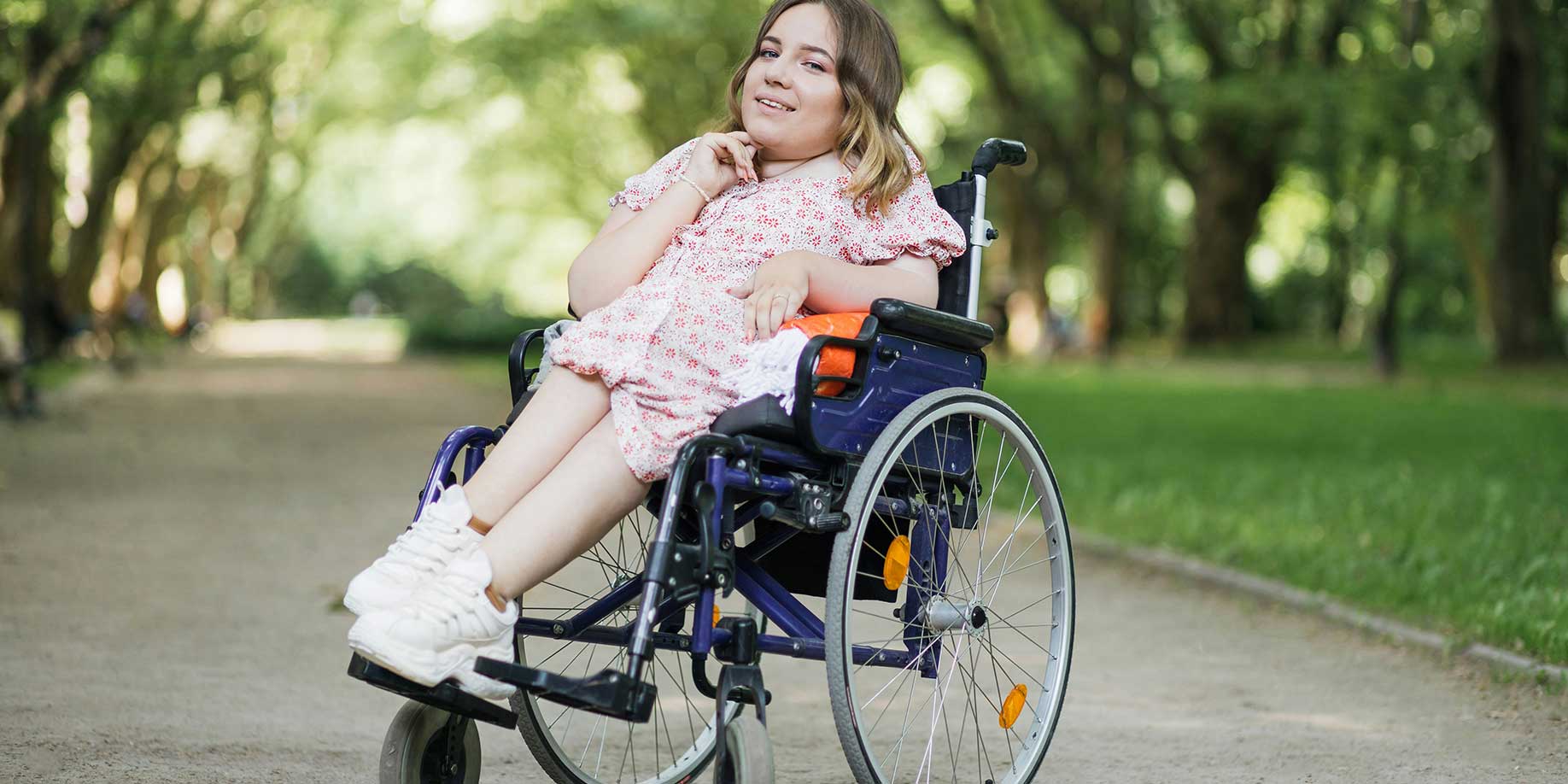
If you have a loved one living with cerebral palsy, you already know that the costs of care add up quickly. From therapy and medical equipment to housing modifications and daily support, the financial side of things is a real concern for many families. The good news is that cerebral palsy support services exist to help lighten the load, and knowing where to look is the first step.
6 ways to get support for cerebral palsy
Cerebral palsy is a lifelong condition that often requires a combination of physical therapy, speech therapy, corrective surgery, mobility aids, and ongoing medical treatment.
The costs of long-term care vary widely depending on the severity of the condition and the level of support needed. Some estimates suggest that lifetime care costs could reach $1 million or more per person, with insurance covering only a portion of those expenses.
Several financial support options exist to help offset these costs, from state-funded programs and nonprofit grants to community-based fundraising. Here are six resources worth exploring:
1. State grants
Several state-funded programs provide financial assistance for cerebral palsy-related expenses, including medical equipment, therapy, and specialized services. The following programs offer support in specific states.
CHOP grants
Individuals with cerebral palsy who live in New York State can apply for the Community Health Outreach Project (CHOP) grant. It covers buying medical equipment, supplies, and other cerebral palsy services.
CPATH Texas
CPATH Texas is based in Texas and offers cerebral palsy grants for therapy, buying specialized equipment, and other healthcare costs.
It also has a thriving community of families and individuals with cerebral palsy, helping to create awareness, sports opportunities through the wheelchair soccer team, and organizing weekend camps and outings.
Access to Home
Another, more specific state grant you can look into is the Access to Home program for the residents of New York State. It’s a grant dedicated to helping make homes more easily accessible through installing modifications like wheelchair ramps, lifts, widening doorways, and roll-in showers.
2. Federal aid
At the federal level, you’ll find many more cerebral palsy financial support options. While these programs receive funding at the federal level, you can apply for them through the respective state department, local office, or Healthcare.gov website.
Make sure to check the requirements for each program, which vary by state. Also, take note of the states that offer waivers on certain requirements, like parental income for children with cerebral palsy.
The following federal-level healthcare programs provide coverage for cerebral palsy-related expenses:
Medicaid
Medicaid is a health coverage program for low-income families available at the state and federal levels. It offers long-term cerebral palsy financial help, covering the cost of:
- Speech, physical, and occupational therapy
- Buying medical aids
- Hospital visits
- Corrective surgery
Children’s Health Insurance Program (CHIP)
Families who earn too much to qualify for Medicaid but not enough for private insurance may be eligible for the Children’s Health Insurance Program.
This financial support option can help cover:
- Hospital visits
- Therapy, and
- Treatment
While the cost of cerebral palsy care varies, CHIP ensures that you never spend more than 5% of your family’s income per year.
Individuals with Disabilities Education Act (IDEA)
Cerebral palsy support services include the Individuals with Disabilities Education Act. This federal law governs the provision of special education services to public school students with cerebral palsy.
As long as the child is aged 3 to 21, they are entitled to public school educational support services, including:
- Speech, physical, and occupational therapy
- Transportation support
- Assistive devices
- Early intervention
- Health and nutrition support
Temporary Assistance for Needy Families (TANF)
The Temporary Assistance for Needy Families, or welfare program, can offer temporary financial support to low-income families. It includes financial aid, food, housing, and childcare support.
Supplemental Security Income (SSI)
Low-income families can further explore the Supplemental Security Income option for cerebral palsy support. It gives both children and adults with cerebral palsy a maximum monthly payment of $994 per eligible individual.
Social Security Disability Insurance (SSDI)
The Social Security Disability Insurance is another option that gives adults with cerebral palsy monthly compensation. You’ll need to meet the requirements for SSDI benefits, including proof that you’re unable to work, as well as your parents paying federal taxes for the last ten years.
3. Online crowdfunding
Online crowdfunding on platforms like GoFundMe gives friends, family, and community members a simple way to pitch in financially. Setting one up takes a few minutes, and donors easily donate online while receiving updates on how their contributions are making a difference.
Fundraising for cerebral palsy care works best when the page tells a personal story. Sharing specific goals, like covering the cost of a new wheelchair or funding a round of therapy sessions, helps people understand where their money is going.
Learn how to launch a successful online fundraiser with tips on writing a compelling story, posting regular updates, and thanking donors along the way.
4. Community fundraising
Organizing a fundraising event brings people together around a shared cause and gives your community a hands-on way to show support. These events work well for raising money toward specific goals, like a new wheelchair, therapy sessions, or assistive equipment.
Themed event
You could also tie your event to a bigger awareness moment. World Cerebral Palsy Day falls on October 6, and March is Cerebral Palsy Awareness Month. Hosting a green-themed event during either of these dates is a great way to educate your community while raising funds.
STEPtember
Another option is STEPtember, a month-long fitness challenge in September that includes swimming, cycling, and walking 10,000 steps a day.
Local business partnerships
Local businesses are often willing to get involved, too. Reaching out to nearby shops or restaurants to sponsor your event, donate to your cause, or provide food and supplies on the day is a great way to build partnerships and stretch your fundraising further
5. Nonprofit grants
Some nonprofit organizations offer grants to help families cover cerebral palsy-related expenses. Eligibility requirements, award amounts, and application processes vary by organization, so it’s worth reviewing each one carefully before applying.
Here are a few nonprofits that offer grants for individuals and families affected by cerebral palsy:
United Healthcare Children’s Foundation (UHCCF)
The UHCCF grant helps cover medical expenses that fall outside of standard health insurance. Since 2007, the foundation has awarded 34,000 grants, totaling $70 million, including grants for children living with cerebral palsy.
Children’s Hemiplegia and Stroke Association (CHASA)
For children diagnosed with hemiplegic (spastic) cerebral palsy, the Children’s Hemiplegia and Stroke Association offers grants to help cover the cost of assistive equipment. CHASA also provides vocational and college scholarships.
Variety, the Children’s Charity
Variety, the Children’s Charity, focuses on improving education and quality of life for children living with cerebral palsy. The organization provides mobility equipment like wheelchairs, strollers, and walkers, along with adaptive equipment for transport and housing.
The Giving Angels Foundation
The Giving Angels Foundation offers grants of up to $500 per family raising a child living with cerebral palsy. This grant is geared toward low-income families who need help covering everyday care costs.
6. Scholarships for students with cerebral palsy
A number of scholarships are available specifically for students with a disability, including cerebral palsy. These scholarships help cover tuition, housing, and educational supplies, making higher education more accessible for families already managing significant care costs.
To find the right opportunities, consider:
- Checking with your school’s financial aid office for available disability scholarships
- Searching national databases like disability-focused scholarship directories
- Exploring nonprofit organizations that support students with cerebral palsy
What are other types of cerebral palsy support services?
Financial help is one piece of the puzzle. There are also services and resources that support day-to-day life, education, and emotional well-being for families affected by cerebral palsy.
Therapy and rehabilitation support
Early therapy and rehabilitation support play an important role in building strength, communication skills, and independence. A few common options include:
- Speech therapy to help with swallowing, communication, and socialization skills
- Physical therapy to help with pain and mobility
- Occupational therapy to improve feeding, dressing, and independence
Educational resources
Cerebralpalsy.org offers a wide range of guides and support materials for families caring for a loved one with cerebral palsy, from understanding the condition to finding local services.
Family support and counseling
Family support and counseling programs give families a space to talk through the emotional side of caregiving. These programs are open to parents, siblings, couples, or individuals, and are a great way to connect with others who share similar experiences.
Help and support with independence and life skills
For someone living with cerebral palsy, they may need support with independence and life skills. Some of the best resources include:
- Assistive equipment like walkers or wheelchairs
- Communication devices like speech-generating technology
- Adaptive housing and transport, like lifts or ramps
- Life skills like financial management and socialization
Get cerebral palsy financial support today
The lifelong care for people with cerebral palsy can be expensive, from paying for surgery to therapy and buying assistive equipment. Fortunately, cerebral palsy financial support can come from multiple sources, helping to offset the financial strain.
Scholarships and research grants also provide additional funding for treatment and preventative care. One of the most direct ways to start raising funds for care, equipment, and therapy is to start crowdfunding. Setting up a page takes a few minutes, and your community is often ready to help when you give them a clear way to do so.