Understanding the costs of chemotherapy in the UK
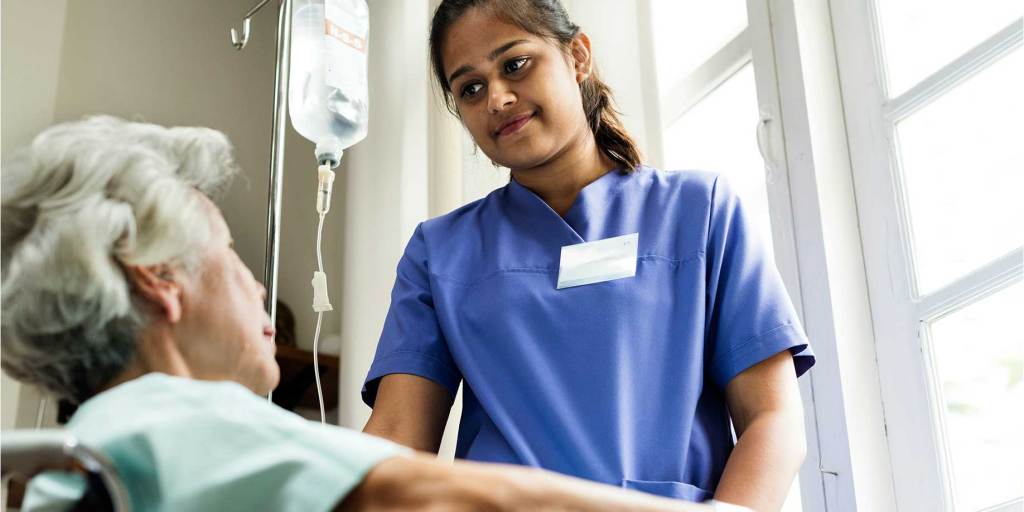
Chemotherapy is a medical treatment that uses anti-cancer drugs to kill cancer cells and stop the disease from spreading. It can be given to cure, control or relieve the symptoms of cancer. Due to the NHS, there is no cost of chemotherapy in the UK – unless one is having private treatment.
However, there are many costs involved with a cancer diagnosis, such as travelling to treatment and taking time off work. Macmillan Cancer Support estimates four in five people living with cancer are £569 a month worse off, on average, because of their diagnosis.
Luckily there are many options to explore for those who need additional help managing the ongoing costs of receiving chemotherapy treatment, such as government schemes and crowdfunding opportunities. By having an understanding of the extra costs of chemotherapy and the options available for relief, patients and families can be prepared for the financial impact.
How much does chemotherapy cost in the UK?
The cost of chemotherapy in the UK is expensive if one chooses to have the treatment privately. The cost varies hugely as different types of cancer involve different courses of chemotherapy. With differing lengths and types of treatments, each patient undergoing chemotherapy feels the impact differently, for both their savings and their day-to-day lives.
With the NHS, many would think this means chemotherapy is free in the UK. Although cancer treatment, including chemotherapy, is free on the NHS for anybody living legally in the UK on a settled basis, people can incur costs while undergoing treatment.
Going through chemo in the UK
In the UK, chemotherapy may be administered during an inpatient hospital stay, at an outpatient clinic or at home. It is usually given intravenously, through an injection, drip or pump. Possible side effects include hair loss, digestive issues, anaemia and fatigue. Fatigue is the most common side effect, affecting over 80% of patients. A typical chemotherapy course lasts between 3 and 6 months.
The hidden financial costs of cancer treatment
Although the actual cost of treatment is free for most cancer patients in the UK, there are a number of hidden costs that can have a significant impact.
Travelling at home and abroad
Undergoing chemotherapy treatment can cause difficulties for those travelling in the UK and abroad. More vaccinations may be required for those with compromised immune systems and travel insurance may be impacted. Increased fatigue may also mean more public transport or taxi services are necessary. Chemotherapy can also complicate any emergency medical care required while abroad and it is often recommended for patients to take a letter from their doctor outlining their current condition and treatment program. This helps local doctors provide the best care.
Transport and driving
Additional transport requirements are a common cost of chemotherapy. The costs of travelling for chemotherapy can increase the cost of chemotherapy quickly, especially if you are referred to a specialist hospital that is far from where you live and are undergoing daily treatment.
However, charges vary wildly and can reach more than three times this amount in London and the south-east. Furthermore, NHS hospitals have increased parking fees with 25% of hospitals increasing costs between 2022 and 2024.
Hospital parking is free for everybody in Wales, free for everybody at all hospitals bar three in Scotland and free for chemotherapy and radiotherapy patients in Northern Ireland.
Following government guidance, many hospitals in England now offer free or discounted car parking to people with cancer.
Some patients may be unable to drive as a result of chemotherapy, forcing them to rely on public transportation and taxis, which can be more costly, especially if they need to travel far for treatment. They may also have to weigh this cost against car insurance as some treatments require the DVLA and insurance providers to be notified, leading to increased premiums.
The Healthcare Travel Costs Scheme offers help with travel costs for patients and carers who qualify for the NHS Low Income Scheme. It’s also worth searching online for a local voluntary group that may offer hospital pick-up and drop-off services. In 2027, England will introduce a new program that offers free transport to cancer patients aged up to 24.
Mortgages, pensions, and savings
Loss of income, on top of additional costs, can be crippling, especially for self-employed people without the safety net of statutory sick pay.
As a result, many people are forced to dip into savings, adjust their mortgages or access their pensions early in order to cover both chemotherapy and day-to-day living costs.
Anyone taking out a new pension or health insurance after being diagnosed will need to inform their provider about their diagnosis.
Mortgage lenders may be able to offer relief and assistance such as reducing monthly payments, taking a mortgage holiday, more flexible payments or reducing your interest rates. While these options offer relief, they will usually result in higher payments in the future. Some insurance policies as you may have a clause that means your insurance covers mortgage payments as a result of critical health problems.
Day-to-day costs
More than half of cancer patients see their everyday living costs rise post-diagnosis, be it higher energy bills from spending more time at home and feeling the cold more, increased phone and internet bills to combat loneliness, or the need to pay for help with household chores. For those wondering how much chemotherapy costs, on average, some research has shown that the average added cost to day-to-day living was £63 per month.
Losing your hair to chemotherapy can be traumatic, which is why some cancer patients choose to wear a wig. Synthetic wigs cost from £50 to £200 and last for six to nine months. Wigs made from real hair cost from £200 to £2,000 but last for three to four years.
Synthetic wigs are only available for free on the NHS for children and full-time students aged 18 or under, hospital inpatients, some war pensioners, people under 20 who are also on certain government benefit schemes and people who are named on an HC2 or HC3 NHS certificate.
Chemotherapy can also cause substantial weight loss or gain, leaving an estimated 40 per cent of cancer patients in need of new clothes.
People attending hospital for chemotherapy may need to employ childcare. The average cost of hiring a registered childminder for a child under two is £228 per week in the UK and £303 per week in London. On average, part-time nannies cost from £250 to £400 per week for 25 hours.
Help towards childcare costs is available from the government, but the amount on offer depends on how much the claimant earns. For people eligible for universal credit, the government offers up to £1,031.88 per month for one child and up to £1,768.94 per month for two or more children.
Chemotherapy and other cancer treatments may also leave people unable to complete household tasks, requiring them to hire cleaners or other assistance.
Support and resources for chemotherapy patients in the UK
There are government schemes in place to help chemotherapy patients who are struggling. This includes financial assistance and community assistance for those feeling isolated or anxious as a result of their diagnosis and treatment. Many places in the UK have community support groups where people gather for discussion, crafts or physical activity. They can be an excellent way to stay connected and feel supported emotionally during the treatment process.
GPs are also a vital part of the support network for chemotherapy patients. While chemotherapy may be the frontline treatment, GPs can offer referrals to specialists that will help improve patients’ wellbeing during and after treatment. This can include physiotherapy, occupational therapy, and mental health support.
Community nurses are another way to get local support, and some may be able to visit you in your home. They can help with wound dressing, drips, checking blood pressure, giving medicine, and more. They can also help instruct family members on basic caring skills.
Financial support and advice for patients dealing with the cost of cancer treatments is available from a range of charities and organisations including:
As well as government programs like:
Setting up a fundraiser to cover the costs of chemotherapy
Friends and family often want to help in any way they can, which is why many families tackling cancer turn to crowdfunding to lessen the burden. Along with helping costs in a fast, transparent way, reaching out to the community can help raise awareness and boost morale for patients and families. GoFundMe is an internationally recognised crowdfunding platform that has helped raise money for cancer patients for many years.
Friends of Mark Newcombe have raised over £6,300 on GoFundMe to help him support his young family after cancer left him unable to work. Mark recently had to travel up to Glasgow, away from home, for chemotherapy and a bone marrow transplant. Recovery from this treatment is estimated to take up to nine months, but Mark’s financial stress has been lessened thanks to the GoFundMe community.
With a GoFundMe, you can get immediate help to pay for your chemotherapy costs today. GoFundMe differs from many other fundraising platforms in that there are no hidden fees.
GoFundMe’s experts are on hand to offer advice around the clock and you can use our mobile app to check in on your fundraising progress while on the move.
Setting up your page could not be easier but there’s a treasure trove of expert fundraising tips and creative fundraising ideas on our blog.
The real costs of chemotherapy in the UK
The cost of chemotherapy in the UK goes well beyond the treatment itself. These costs range from extra transport and care to loss of income and the impact on savings. Whether you need advice, funds or a bit of extra support, there are many avenues to explore, including charities, crowdfunding and government programs that can help before, during or after chemotherapy.