How you can use crowdfunding for natural disasters
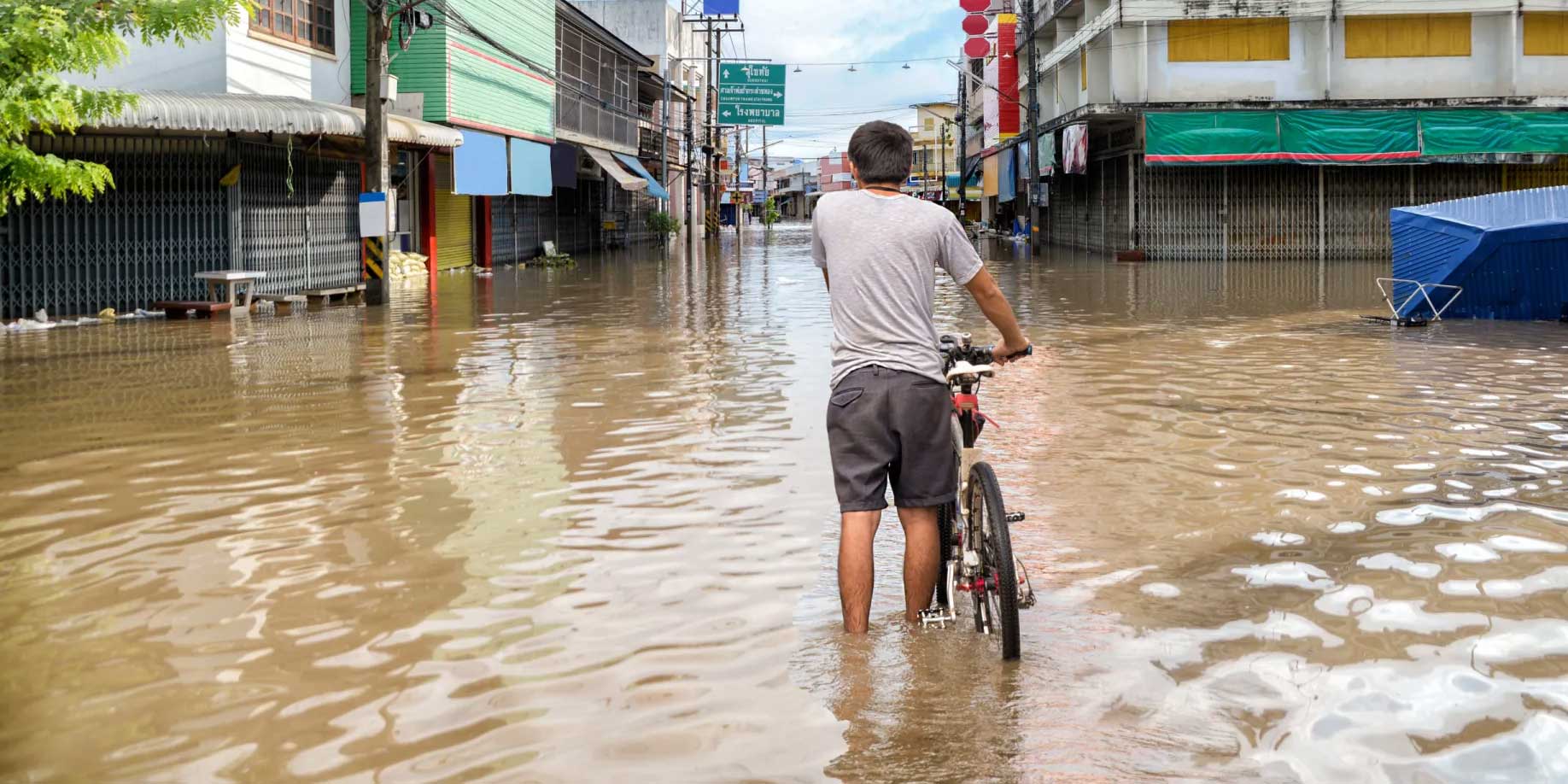
Natural disasters are events caused by powerful forces of nature that affect millions yearly. They can destroy any landscape and displace entire communities overnight. Severe weather events and Earth’s natural processes cause lasting impacts on the economy, the environment, and human life. People who survive natural disasters often have to deal with rebuilding after a substantial loss.
When disaster strikes, people want to help, but it can be hard to know where to start. This guide explores crowdfunding for natural disasters and shares practical ways to support disaster relief efforts with care and purpose. You’ll find actionable strategies, tips for running disaster fundraising campaigns, and guidance on how to make emergency crowdfunding efforts meaningful and effective.
Immediate and long-term needs after a natural disaster
Those affected by natural disasters immediately experience a reduced quality of life. The impact often goes beyond physical damage. Families may lose homes, jobs, transportation, or access to medical care. Schools and businesses may close. Understanding both immediate and long-term needs is critical when planning crowdfunding for natural disasters.
Short-term recovery helps reestablish basic services. Following a natural disaster, water, food, and medical care are three vital, necessary items. Long-term recovery from natural disasters focuses on rebuilding community structures. According to the Federal Emergency Management Agency (FEMA), long-term recovery can take up to five years. The focus is on creating stable structures that can withstand severe weather events better. Nonprofits collaborate with government relief programs to allocate funds and services to those in need. As technology develops and scientists find more ways to predict large-scale climate events, disaster relief will mobilize faster.
Emergency crowdfunding may focus on urgent expenses, while disaster relief nonprofit organizations help with emergency recovery efforts on a global scale.
How you can help after a natural disaster
People have proven resilient in light of the immeasurable devastation natural disasters cause. People react quickly and mobilize efforts to send resources to affected areas. In the wake of a natural disaster, solidarity is powerful. Here are a few ways that you can help.
1. Sign up to volunteer for your fundraiser
Natural disasters bring communities together as they slowly gain their footing again. Volunteering for a nonprofit disaster relief organization is an important way to help victims of natural calamities directly. Volunteers are an essential part of the recovery process. Volunteer disaster relief teams work to provide comfort to victims immediately and in the long term. Nonprofits send out teams for rescue, medical care, and other relief resources after a disaster. Long-term recovery concentrates on sustainable rebuilding efforts. Volunteer efforts can spread hope and empower communities to recover together.
You can also volunteer your skills digitally by helping manage an emergency crowdfunding page, sharing verified fundraisers, or assisting with communications. This allows disaster fundraising to reach more people quickly and efficiently.
2. Crowdfunding for natural disasters
Crowdfunding for disaster relief allows people to unite in solidarity to aid a disaster-stricken area. It brings to life stories of communities fighting for their lives and calls on people to help contribute to recovery efforts worldwide. There are a few ways that people can engage in crowdfunding for natural disasters. You can create a fundraiser dedicated to raising the money to fund your volunteer efforts or create an online fundraiser to help a family in need raise money after a disaster. You can also create a fundraiser to dedicate funds to a nonprofit disaster relief organization. Or, consider raising money to buy clean water, food, and other relief resources to send to disaster areas. Share it with your neighbors on NextDoor and across TikTok, Instagram, and Facebook.
3. Give blood
Blood donations are always needed, but they become essential for victims’ survival when disaster strikes. Disaster-stricken areas receive shipped blood supplies immediately, often leaving hospitals with lower supplies. Giving blood following a natural disaster will help to replenish local blood banks. Donating blood provides a vital service that could save someone’s life.
Crowdfunding with GoFundMe
GoFundMe is a crowdfunding platform that empowers people to help people. Here are several reasons that make GoFundMe the right place for natural disaster fundraisers:
● On GoFundMe, you’re covered by the first and only donor protection guarantee: the GoFundMe Giving Guarantee. This means your donation is protected wherever you donate from.
● Since 2010, GoFundMe has become a trusted leader in online fundraising. In the US, starting or managing your fundraiser on GoFundMe is free. However, one small transaction fee per donation covers all your fundraising needs. Everything else goes directly to your cause because that’s what matters most.
● On GoFundMe, you can begin fundraising in minutes and withdraw your funds as soon as you start receiving disaster relief donations. If you have any questions, you can contact GoFundMe’s Customer Care team.
Because funds can be accessed quickly and organizers can update the fundraiser in real time, emergency crowdfunding efforts can adapt as community needs evolve.
Disaster relief crowdfunding tips
Whether you need emergency funds for food, shelter, and medical care or money to rebuild your home, you can reach out to your community to get the help you need. Follow our tips below to connect with supporters and create a successful fundraiser.
Have a social media strategy
To receive support, you first have to connect with people. Using social media to promote your fundraiser is a great way to appeal to your existing network and expand its reach by asking your followers to reshare it. You can even consider partnering with local media or influencers to increase your visibility. A social media strategy that implements timely posts and attracts engagement can go a long way.
On Instagram and TikTok, for example, viral videos can contribute significantly to your fundraiser’s success. Learn more about how videos are powerful fundraising tools to enhance your fundraiser.
Takeaway: When trusted voices amplify your message, disaster fundraising efforts can reach supporters far beyond your immediate network.
Write a compelling story
The title of your crowdfunding fundraiser should captivate people. Consider these great ideas for naming your online fundraiser to help you find a fitting name that grabs people’s attention. Honesty and transparency appeal to donors.
Takeaway: The most effective crowdfunding fundraisers highlight urgency without sensationalizing the disaster. Emotional connection paired with accurate details builds credibility and encourages meaningful disaster relief donations.
Highlight community impact
Let people see the impact they can make by donating. Posting photos and regular updates can inspire people to get involved and support your cause regularly. You can also contact local businesses in the area where the disaster occurred to see if they would match donated funds to your fundraiser, multiplying the impact made. Local businesses are often willing to participate in fundraisers for residents.
Takeaway: Including real examples or statistics from past disaster fundraising efforts can demonstrate how collective action leads to measurable recovery outcomes.
Be transparent with supporters
Transparency builds trust. Indicate how you will use the donated funds in your fundraiser description. This type of transparency makes your supporters feel safe and encourages more disaster relief donations.
Takeaway: GoFundMe works to manage crisis donations responsibly, helping ensure funds are delivered efficiently while maintaining safeguards that protect donors and recipients.
Keep supporters updated
Update your fundraiser regularly with the latest details and specific needs. Remind people of the situation’s urgency, as most people respond best to immediate requests. Don’t forget to post updates thanking your donors.
Takeaway: Fundraisers do not end once a donation is made. Supporters who feel informed and appreciated are more likely to share the fundraisers and support future disaster relief efforts.
Examples of natural disaster fundraisers
Many successful fundraisers show how crowdfunding for natural disasters can create immediate and lasting impact. From rebuilding homes after hurricanes to supporting families displaced by wildfires, online fundraisers allow communities to respond quickly and directly.
When disaster fundraisers clearly outline needs and provide updates, they often inspire continued generosity and wider community involvement.
Compassionate folks around the globe have started GoFundMe fundraisers to support people impacted by recent natural disasters. You can explore examples of people fundraising for natural disaster help on GoFundMe.
Help communities recover faster
Disaster recovery isn’t always quick. Flexible emergency crowdfunding allows funds to address urgent needs while supporting longer-term rebuilding.
Start helping out today by launching your fundraiser. For more information on disaster recovery, read about post-disaster financial assistance and disaster recovery plan.
Facts about natural disasters
● In 2024, 393 natural disasters were recorded worldwide, causing 16,753 fatalities and affecting 167.2 million people. These events hit the Asian Pacific region the hardest, with 167 registered disasters, including cyclones and heatwaves. In Europe, extreme temperatures caused a high number of deaths in countries such as Italy and Greece.
● The number of disasters has increased fivefold in 50 years due to climate change, better reporting, and extreme weather. In the U.S., 2024 is recorded as the fourth-costliest year, costing a total of approximately $182.7 billion.
● According to a new report from Climate Central, 23 weather and climate disasters affected the US, costing at least $1 billion (inflation-adjusted) in damages each. The estimated total is over $115 billion.
● While the US avoided hurricane-related disasters in 2025, wildfires, severe thunderstorms, and flooding were the main causes of damage last year.
Floods
Moving water can be a destructive natural force, causing devastating floods that result from storm surges, substantial rainfall, or the failure of structures like dams. This sudden rush of water can destroy buildings and sweep away cars, ultimately devastating entire communities. Floods usually take several hours or even a few days to develop, which gives communities time to evacuate. However, flash floods can occur within minutes or a few hours of heavy rainfall, making it difficult for people to reach safety. In the United States, floods claim more lives yearly than tornadoes, hurricanes, or lightning.
Tornadoes
Tornadoes usually strike at the end of a storm. The funnel-shaped cloud gains speed and picks up debris, damaging or destroying any structure it touches in seconds. Tornadoes can develop so quickly that, in some cases, there is little time for warning. Storm Aware indicates that the strongest tornadoes have rotating winds of 250 miles per hour. They leave a path of destruction measuring up to 50 miles long. High winds destroy buildings and can pick up large objects like cars, only to throw them back toward the ground. The wake of a tornado leaves a community upside down, displacing families and demolishing communities.
Hurricanes
Hurricanes are born from tropical storms over the oceans. They produce a significant amount of energy released through heavy rain and thunder. Hurricanes create violent storm surges that cause severe devastation to communities. According to National Geographic, winds can reach 160 miles per hour and even spawn tornadoes. Hurricanes can last for a few hours to a few weeks. High winds coupled with torrential rainfall can collapse buildings and cause severe flooding.
Wildfires
A wildfire needs a supply of fuel, oxygen, and heat to erupt. Natural wildfires are sparked by lightning or high temperatures. However, human-caused fires are more common. The blaze can stay alive from days to weeks in an unpredictable direction. Drought-stricken land is particularly vulnerable. The high heat invites combustion, and the dry vegetation fuels the flames. Wildfires are harmless to humans until they reach populated areas. Once the fire engulfs buildings, people lose their homes and places of work. A wildfire threatens a family’s security. The scope of damage can be expansive, and rebuilding is expensive.
Earthquakes
There are approximately 55 earthquakes that occur daily worldwide, resulting in 20,000 earthquakes each year, varying in size. Major earthquakes in highly populated areas can trigger significant amounts of destruction and casualties in a short amount of time. There are about 18 major earthquakes annually, usually one great earthquake of magnitude eight or more. When seismic waves cause buildings to collapse, they can take countless lives. Aftershocks can occur for weeks, continuing to damage the same area while complicating rescue and relief efforts. Earthquakes can provoke landslides, rock falls, tsunamis, and even avalanches.
Droughts
A drought is a low rainfall in a specific area for one season or more. Land becomes arid and can crack and break up from a lack of moisture. As the water evaporates, the soil loses nutrients, resulting in animal and plant life loss. Drought hinders crop production, damages natural habitats, and creates a fire-prone environment. Since droughts can last years, so can the economic and agricultural impacts. People face hunger, dehydration, and malnutrition. Although droughts are natural events, human activity can compound the problem. Communities should be conscious of water consumption levels during droughts.
Tsunamis
Underwater disturbances, like earthquakes and volcanic eruptions, cause tsunamis. Composed of large waves, tsunamis are a strong force that can cause severe damage. Once a tsunami reaches shore, it sends a surge of water over coastal communities. National Geographic explains that a tsunami can tower higher than 100 feet when it smashes onto the land. The first wave causes direct damage, and the successive waves only compound it. The endless rush of the waves forces water levels to rise beyond the coast, dismantling power lines and uprooting trees.
Economic impact
Rebuilding after a natural disaster can be expensive and have long-term economic consequences for a community. These disasters can cause significant damage to important buildings, such as hospitals, schools, and workplaces. In 2022 alone, natural disasters caused a worldwide economic loss of about 313 billion U.S. dollars. The destruction of farmland can be particularly devastating to communities that rely on agriculture for income. Shortages caused by natural disasters can also increase the cost of food and other resources, further straining communities that are already struggling to recover.
Natural disasters impact countries differently. Developed countries suffer economic losses that hinder sustainable development but are better equipped to handle the aftermath. Lower-income countries suffer more, as their infrastructure is not built to withstand extreme weather. This leads to increased poverty rates, making it difficult for people to escape the cycle of poverty.
Human impact
Natural disasters displace populations, compromise water supply, spread diseases, destroy agricultural land, and cause food scarcity. Emotional trauma can be long-lasting as people watch their community collapse and must learn to cope with the loss of friends, families, pets, and memorabilia. Sometimes, it turns into Post-Traumatic Stress Disorder (PTSD).
A research study from the National Center for Biotechnology Information (NCBI) reveals that even two years after Hurricane Katrina hit in 2005, 31.9% of victims reported dealing with PTSD from unresolved, hurricane-related stress. Nonprofit disaster relief organizations work to help communities heal, financially and emotionally, following a natural disaster.
Why crowdfunding works for disaster relief
Crowdfunding for natural disasters is effective because:
● It’s easy to set up: Emergency crowdfunding fundraisers can be created in minutes, allowing disaster relief efforts to begin immediately.
● It has international reach: Supporters from around the world can contribute, expanding the impact of local disaster fundraising.
● It’s easy to share: Fundraisers can be shared through social media, email, and messaging apps, helping fundraisers spread quickly.
● Instant transparency and trust: Real-time updates and visible donation tracking provide clarity for supporters.
● Be a part of a community: Crowdfunding connects people who want to help with those who need support, strengthening community resilience during recovery.
When you or someone you love needs immediate help due to a natural disaster, don’t hesitate to rely on your community for support. More often than not, people want to help, and you can make it easy for them to do so by starting a fundraiser on GoFundMe.